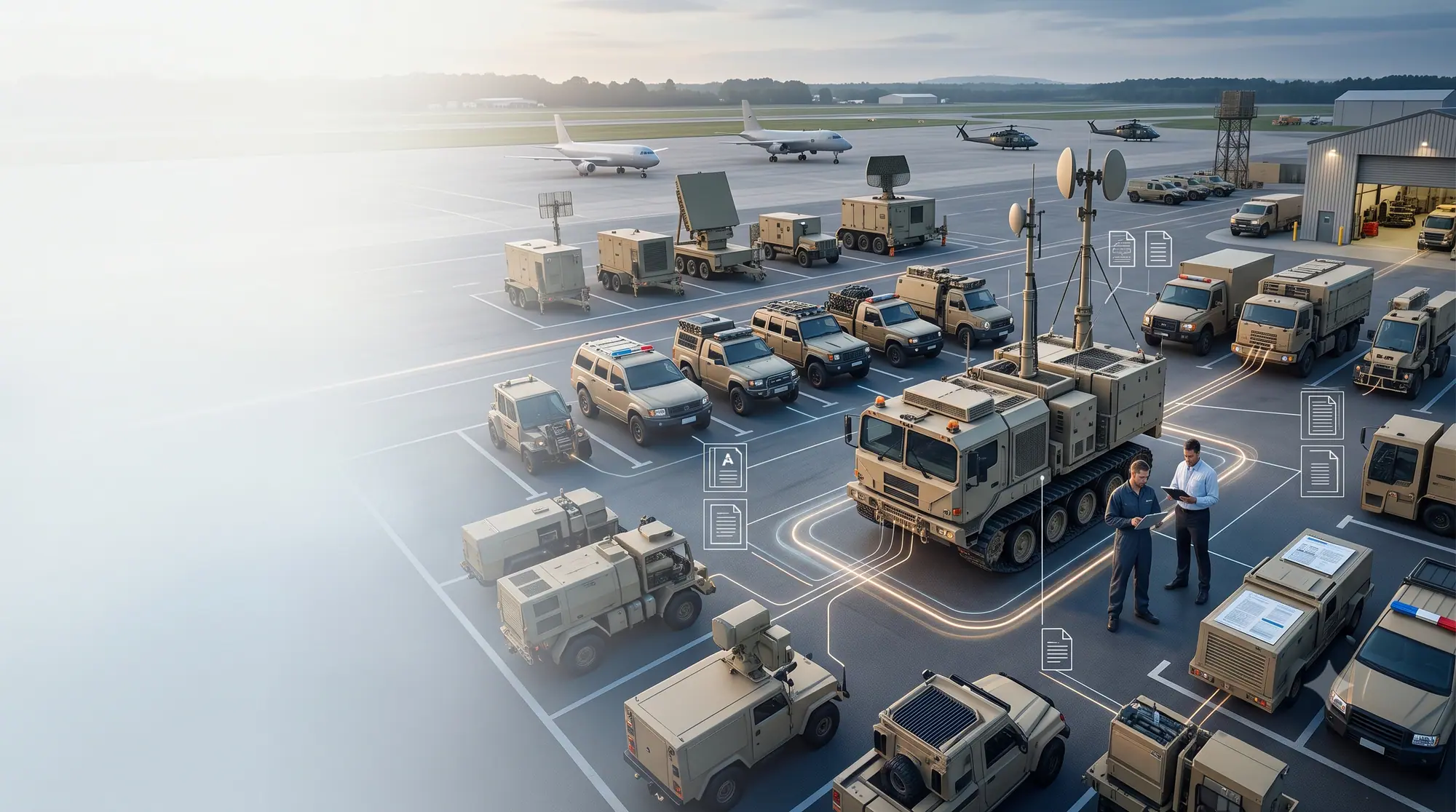
Mission-critical is bigger than defence.
Where asset failure carries operational consequences — a border post, a patrol fleet, a flood-relief operation, a public utility — asset intelligence becomes mission intelligence.
Defence first. The category is wider.
Chaukas begins with defence, and is designed so the same intelligence layer serves every organisation whose readiness depends on physical equipment.
- Initial focusDefenceArmy · Navy · Air Force
- Paramilitary & BorderDistributed forces and posts
- PoliceFleets, comms, specialised equipment
- Emergency & Disaster ResponseFloods, cyclones, earthquakes and other natural calamities
- Government & Public ServicesPublic works, agencies, facilities
- Critical InfrastructurePower, water, transport
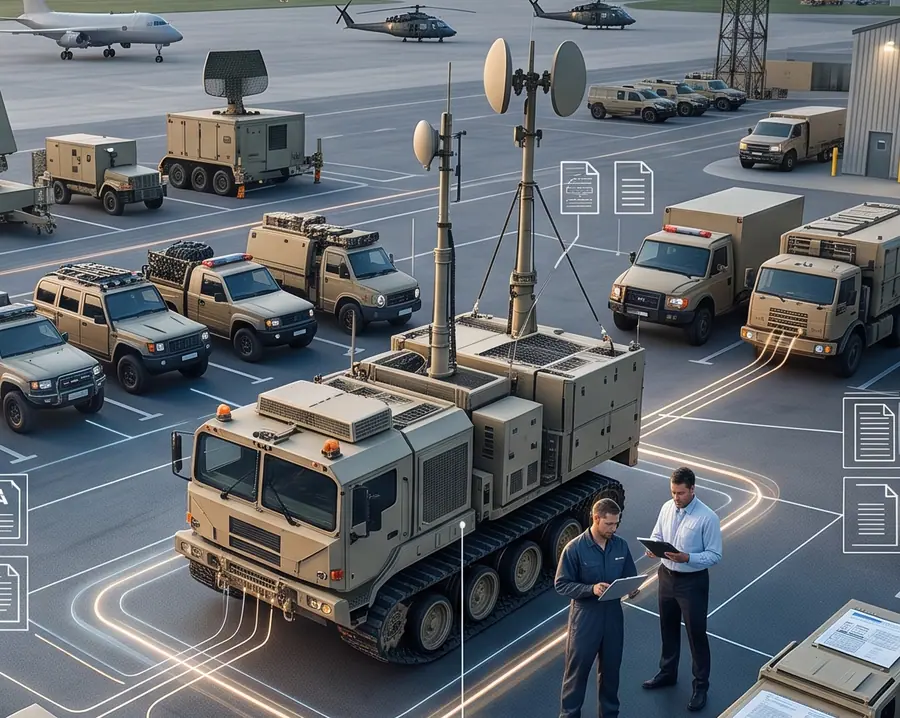
Distributed fleets across remote posts
Border and internal-security forces run vehicles, communications, surveillance equipment and power across dispersed locations — often with limited connectivity and frequent personnel rotation. Chaukas is designed to keep each asset's identity, procedure and history with the asset itself, so the knowledge is at the post when it is needed.
- Patrol and support vehicles
- Surveillance and communications
- Generators and power
- Field workshops
 Paramilitary & Border Forces
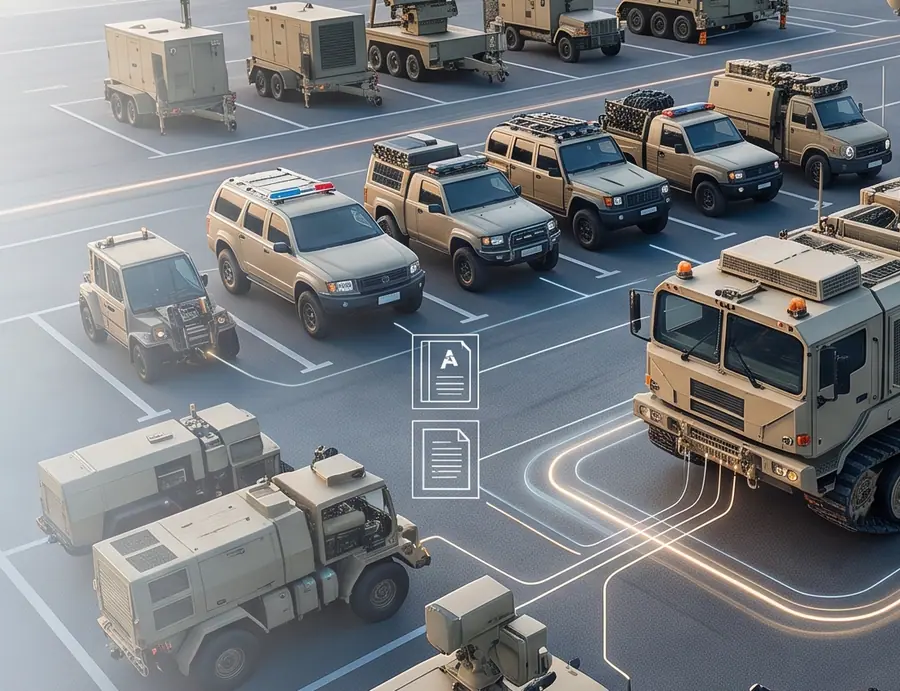
Thousands of assets, managed unit by unit
A police force operates patrol and specialist vehicles, communications, technical and forensic equipment, generators and workshops. The problem is acute and present-tense, and the procurement path is approachable. Chaukas is designed to give each unit the context, evidence and history to keep its equipment dependable.
- Patrol and specialist vehicles
- Communications and surveillance
- Technical and forensic equipment
- Workshops and generators
 Police
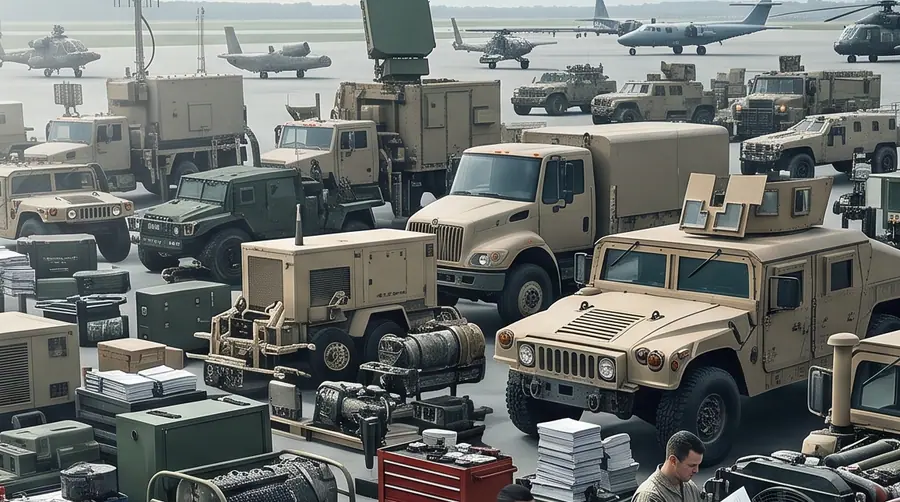
Equipment that must work on the worst day
Floods, cyclones, earthquakes and other natural calamities are met with the equipment already in place: boats, pumps, generators, fire and rescue vehicles, heavy machinery, lighting and field communications. Connectivity is often the first casualty. Chaukas is designed to give the teams responsible for that equipment the same asset context before the day comes — and offline when it does.
- Fire and rescue vehicles
- Boats, pumps and generators
- Heavy and earth-moving equipment
- Field communications and lighting
 Emergency & Disaster Response
Continuity of public service
State agencies and public bodies operate fleets, plants and facilities where continuity of service is the mandate, often across many departments and sites. Chaukas is designed to give shared, asset-specific knowledge and an audit trail to organisations whose equipment history would otherwise live in individual offices.
- Public works and municipal fleets
- State agency equipment
- Public facilities and utilities
- Shared technical workshops
 Government & Public Services
Where failure carries public consequence
Power, water and transport operators depend on plant, pumps, generators and operational technology whose failure is operationally and publicly consequential. Chaukas is designed to sit beside the systems of record they already run, adding asset-specific context, evidence and history.
- Power and pumping plant
- Substations and generation
- Transport and rail equipment
- Operational technology
Critical InfrastructureDifferent missions, the same five needs.
Know the asset
A persistent identity and configuration for every piece of critical equipment.
Keep the knowledge with it
Procedures, specifications and history that survive rotation and reorganisation.
Work without connectivity
Designed to operate in the field when networks are down or absent.
Preserve the evidence
Observations and decisions with provenance, for review after the fact.
Keep people accountable
AI recommends. Qualified people decide, and are recorded as deciding.
Complement what exists
An intelligence layer beside existing systems, not a replacement for them.